Broncos Analysis: Round 21 Player Analysis and Round 22 Team Selection
Following each round of the NRL Premiership and Intrust Super Cup, each contracted Broncos player’s season-to-date performance is analysed and ranked against their internal competition.
This analysis process initially categorises players into four positional categories (with some players considered in multiple positional categories due to their perceived versatility):
- forwards;
- centres and wingers;
- halves and hooker; and
- fullback.
Once categorised, each player’s output in defined key performance indicators (KPIs) for their respective positional category is then considered, using data sourced from the NRL and QRL.
Different weightings are then assigned to the KPI data considered for each positional group based on the assumption that the cornerstones of the Broncos’ tactical approach is as follows:
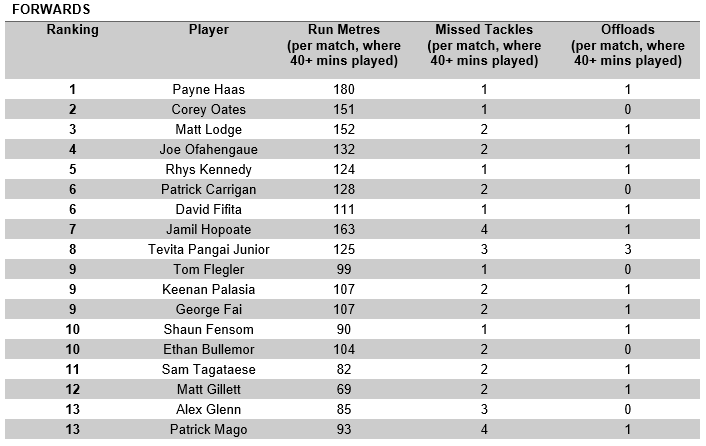
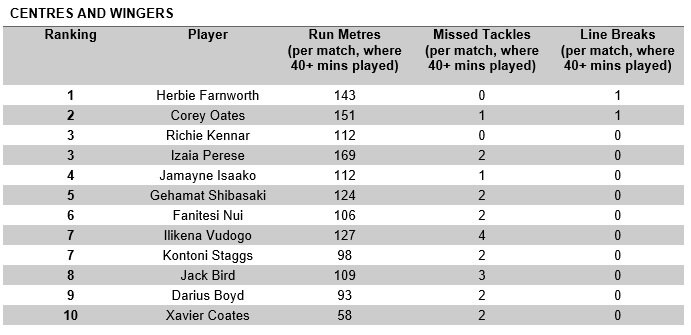
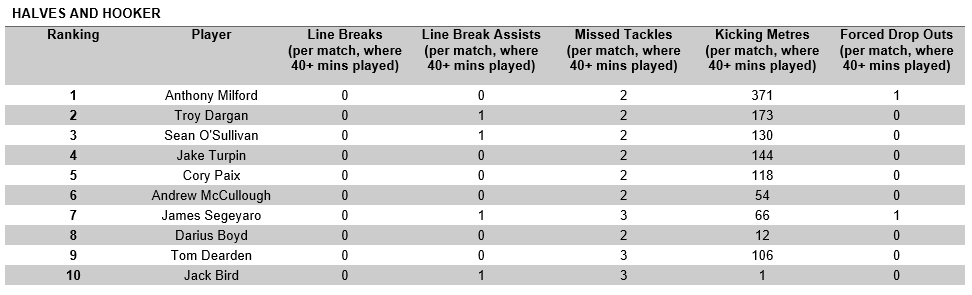
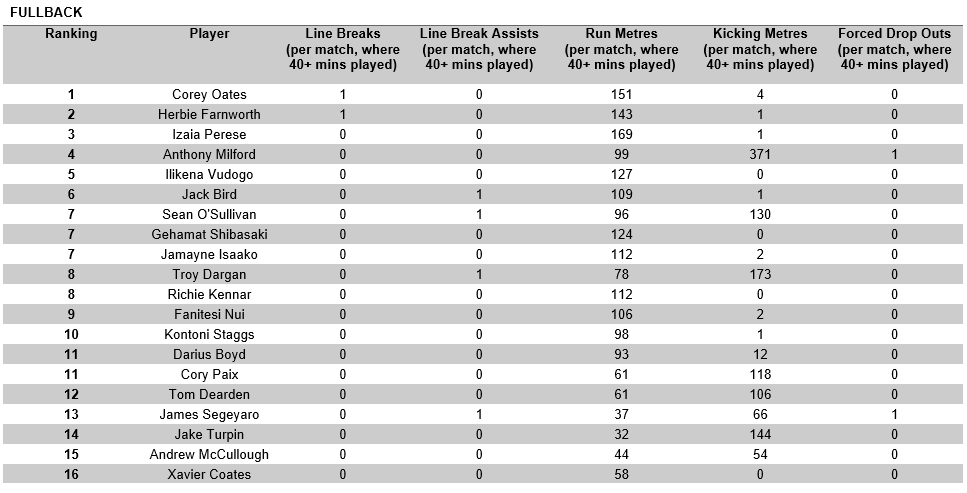
- To have minimal missed tackles (=<2 missed tackles per player per game) in all positional categories.
- To generate 100+ run metres and multiple offloads per game from each player in the forward positional group (to create second phase play for the halves, hooker and/or fullback to individually break the opposition’s defensive line or create line break opportunities for the centre and wing positional group).
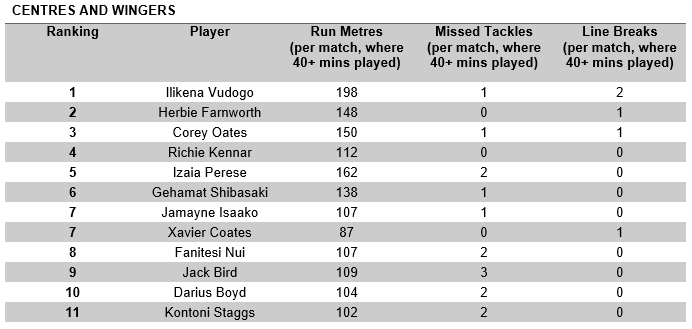
- To generate 100+ run metres and multiple line breaks per game from each player within the centre and wing positional group.
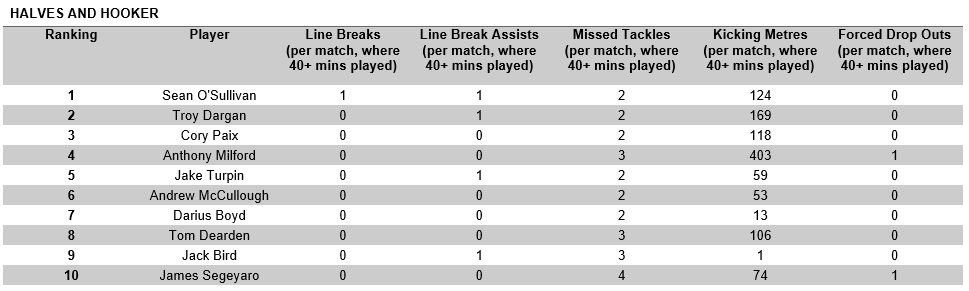
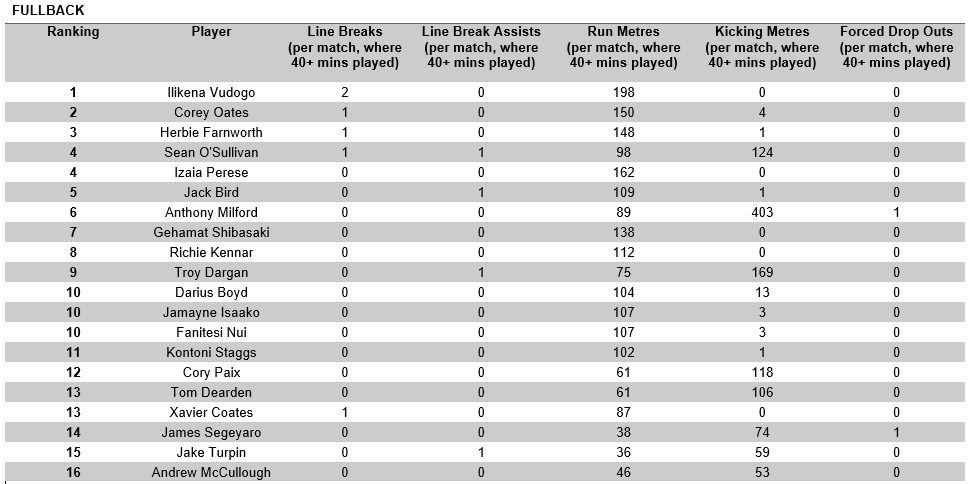
- To generate 100+ kicking metres and multiple line breaks, line break assists, and forced drop outs per game from each player in the halves and hooker and fullback positional groups.
The findings provide an invaluable insight as to:
- how each player ranks against their internal competition within their positional category; and
- which 17 players make up the Broncos’ most productive team.
Internal player rankings
Following Round 21 of the NRL and Round 20 of the Intrust Super Cup, the player rankings are as follows:
Round 22 lineup
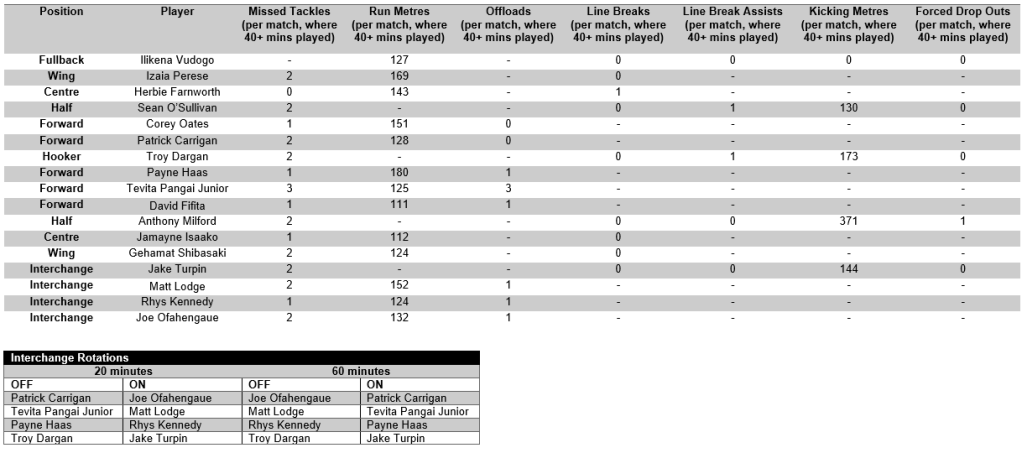
Based on the above analytical comparison, and with Kennar, Bird, and Dearden injured, the 17 players which comprise the Broncos’ most productive team for their Round 22 clash versus the Penrith Panthers would appear to be as follows (with the proposed interchange rotations also outlined below):
Freddie08
Broncos Analysis: Round 20 Player Analysis and Round 21 Team Selection
Following each round of the NRL Premiership and Intrust Super Cup, each contracted Broncos player’s season-to-date performance is analysed and ranked against their internal competition.
This analysis process initially categorises players into four positional categories (with some players considered in multiple positional categories due to their perceived versatility):
- forwards;
- centres and wingers;
- halves and hooker; and
- fullback.
Once categorised, each player’s output in defined key performance indicators (KPIs) for their respective positional category is then considered, using data sourced from the NRL and QRL.
Different weightings are then assigned to the KPI data considered for each positional group based on the assumption that the cornerstones of the Broncos’ tactical approach is as follows:
- To have minimal missed tackles (=<2 missed tackles per player per game) in all positional categories.
- To generate 100+ run metres and multiple offloads per game from each player in the forward positional group (to create second phase play for the halves, hooker and/or fullback to individually break the opposition’s defensive line or create line break opportunities for the centre and wing positional group).
- To generate 100+ run metres and multiple line breaks per game from each player within the centre and wing positional group.
- To generate 100+ kicking metres and multiple line breaks, line break assists, and forced drop outs per game from each player in the halves and hooker and fullback positional groups.
The findings provide an invaluable insight as to:
- how each player ranks against their internal competition within their positional category; and
- which 17 players make up the Broncos’ most productive team.
Internal player rankings
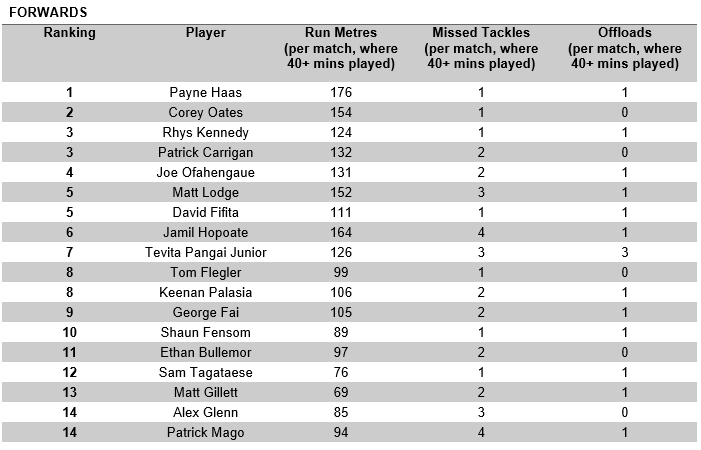
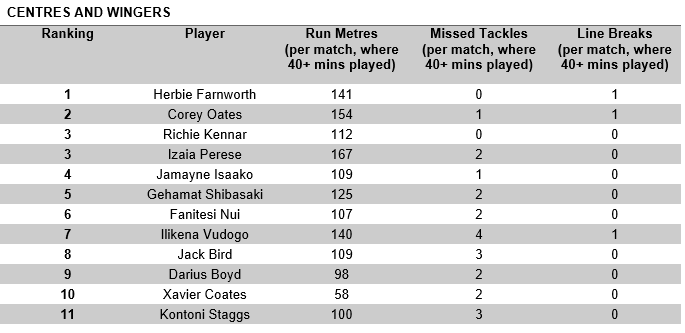
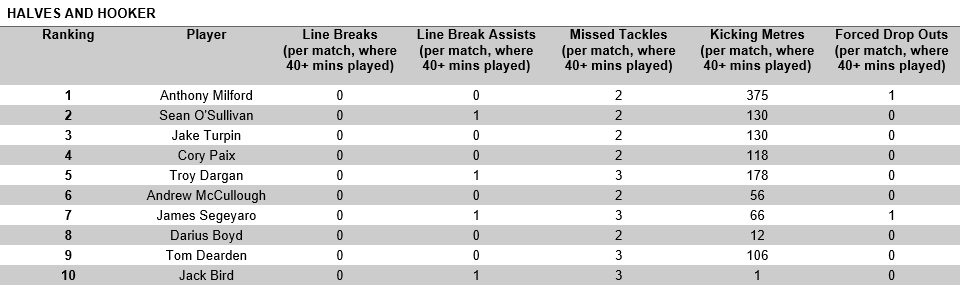
Following Round 20 of the NRL and Round 19 of the Intrust Super Cup, the player rankings are as follows:
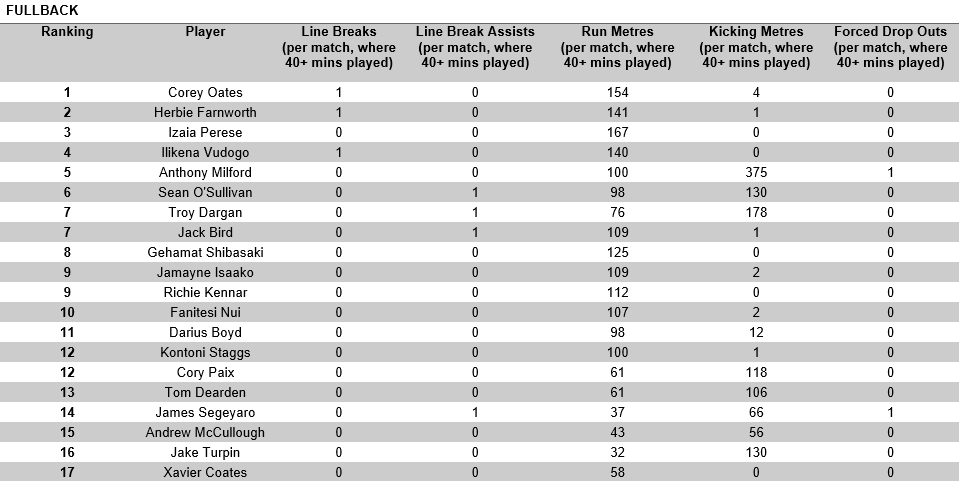
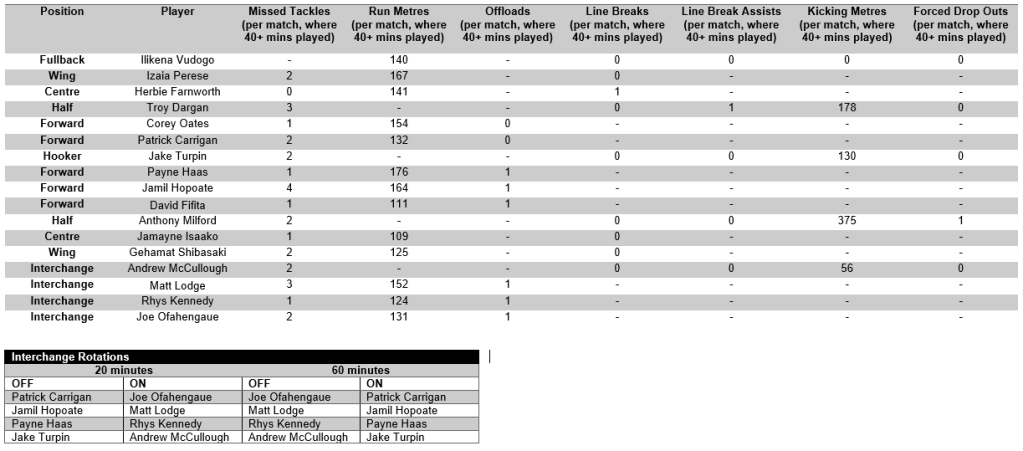
Round 21 lineup
Based on the above analytical comparison, and with Kennar, Bird, O’Sullivan, Paix and Gillett injured, the 17 players which comprise the Broncos’ most productive team for their Round 21 clash versus the North Queensland Cowboys would appear to be as follows (with the proposed interchange rotations also outlined below):
Freddie08
Broncos Analysis: Round 19 Player Analysis and Round 20 Team Selection
Following each round of the NRL Premiership and Intrust Super Cup, each contracted Broncos player’s season-to-date performance is analysed and ranked against their internal competition.
This analysis process initially categorises players into four positional categories (with some players considered in multiple positional categories due to their perceived versatility):
- forwards;
- centres and wingers;
- halves and hooker; and
- fullback.
Once categorised, each player’s output in defined key performance indicators (KPIs) for their respective positional category is then considered, using data sourced from the NRL and QRL.
Different weightings are then assigned to the KPI data considered for each positional group based on the assumption that the cornerstones of the Broncos’ tactical approach is as follows:
- To have minimal missed tackles (=<2 missed tackles per player per game) in all positional categories.
- To generate 100+ run metres and multiple offloads per game from each player in the forward positional group (to create second phase play for the halves, hooker and/or fullback to individually break the opposition’s defensive line or create line break opportunities for the centre and wing positional group).
- To generate 100+ run metres and multiple line breaks per game from each player within the centre and wing positional group.
- To generate 100+ kicking metres and multiple line breaks, line break assists, and forced drop outs per game from each player in the halves and hooker and fullback positional groups.
The findings provide an invaluable insight as to:
- how each player ranks against their internal competition within their positional category; and
- which 17 players make up the Broncos’ most productive team.
Internal player rankings
Following Round 19 of the NRL and Round 19 of the Intrust Super Cup, the player rankings are as follows:
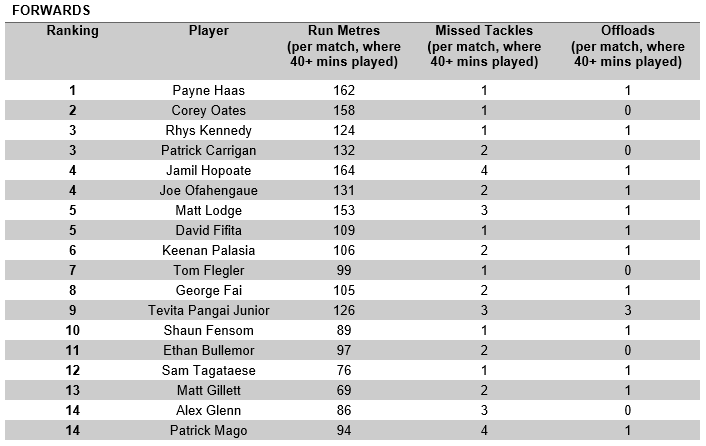
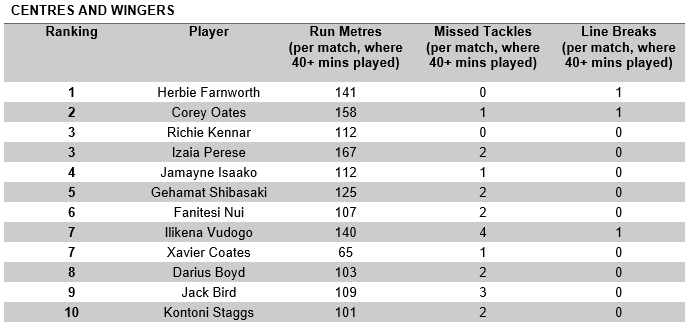
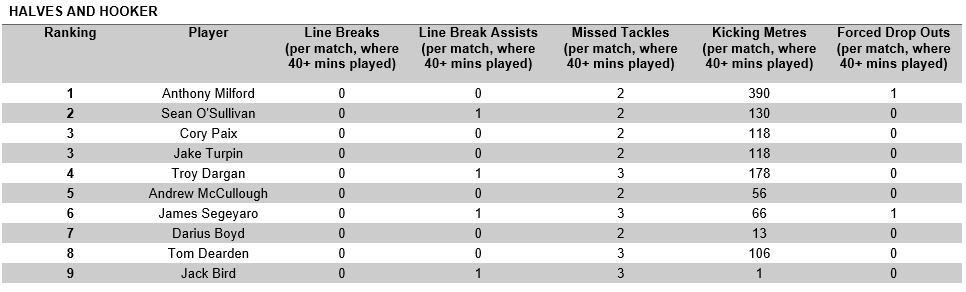
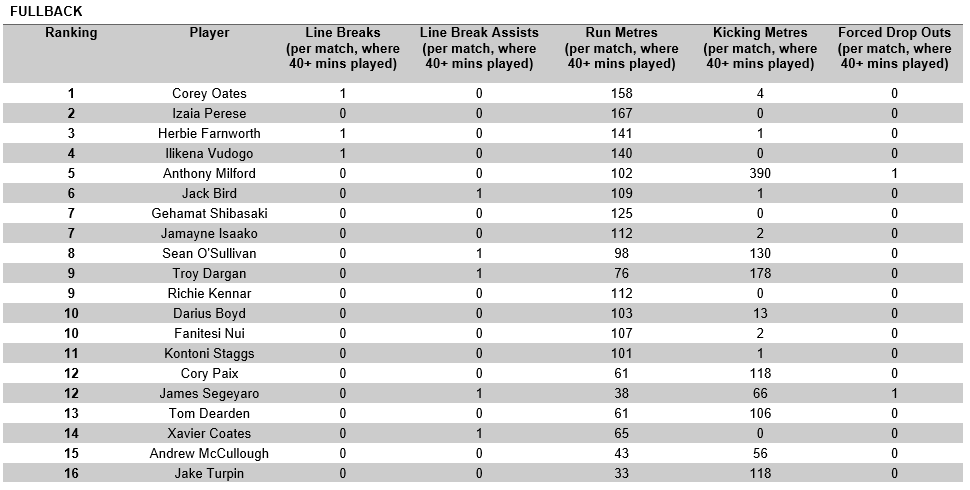
Round 20 lineup
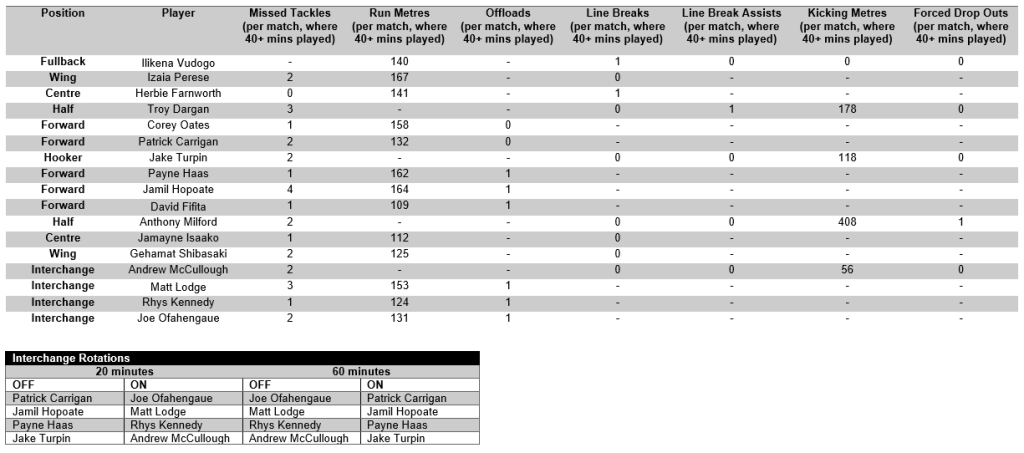
Based on the above analytical comparison, and with Kennar, Bird, O’Sullivan, Paix and Gillett injured, and Pangai Junior suspended the 17 players which comprise the Broncos’ most productive team for their Round 20 clash versus the Melbourne Storm would appear to be as follows (with the proposed interchange rotations also outlined below):
Freddie08
Broncos Analysis: Round 18 Player Analysis and Round 19 Team Selection
Following each round of the NRL Premiership and Intrust Super Cup, each contracted Broncos player’s season-to-date performance is analysed and ranked against their internal competition.
This analysis process initially categorises players into four positional categories (with some players considered in multiple positional categories due to their perceived versatility):
- forwards;
- centres and wingers;
- halves and hooker; and
- fullback.
Once categorised, each player’s output in defined key performance indicators (KPIs) for their respective positional category is then considered, using data sourced from the NRL and QRL.
Different weightings are then assigned to the KPI data considered for each positional group based on the assumption that the cornerstones of the Broncos’ tactical approach is as follows:
- To have minimal missed tackles (=<2 missed tackles per player per game) in all positional categories.
- To generate 100+ run metres and multiple offloads per game from each player in the forward positional group (to create second phase play for the halves, hooker and/or fullback to individually break the opposition’s defensive line or create line break opportunities for the centre and wing positional group).
- To generate 100+ run metres and multiple line breaks per game from each player within the centre and wing positional group.
- To generate 100+ kicking metres and multiple line breaks, line break assists, and forced drop outs per game from each player in the halves and hooker and fullback positional groups.
The findings provide an invaluable insight as to:
- how each player ranks against their internal competition within their positional category; and
- which 17 players make up the Broncos’ most productive team.
Internal player rankings
Following Round 18 of the NRL and Round 18 of the Intrust Super Cup, the player rankings are as follows:
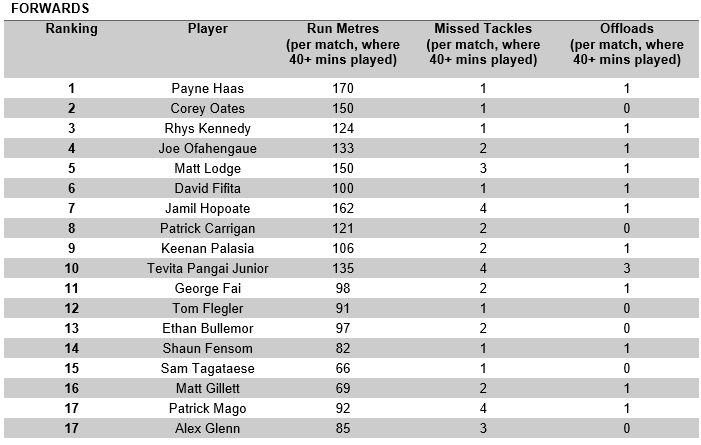
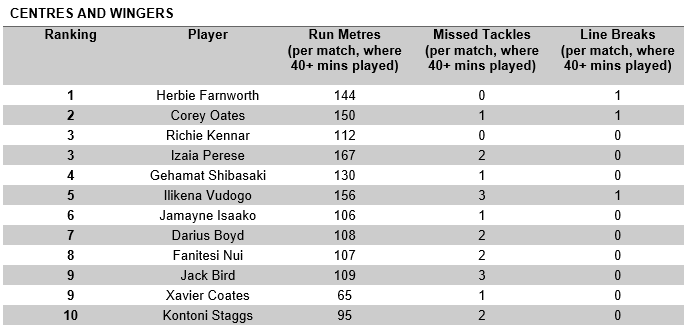
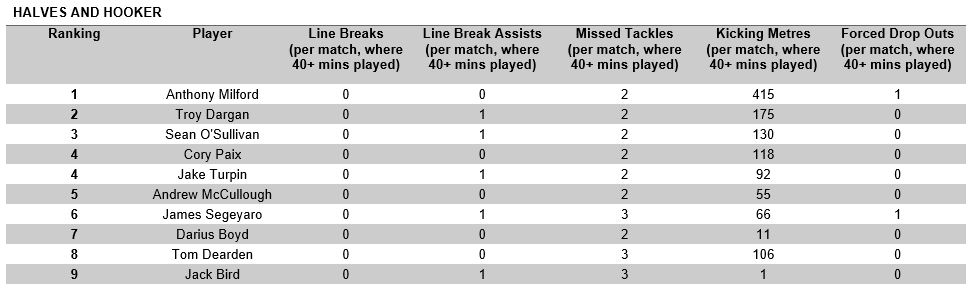
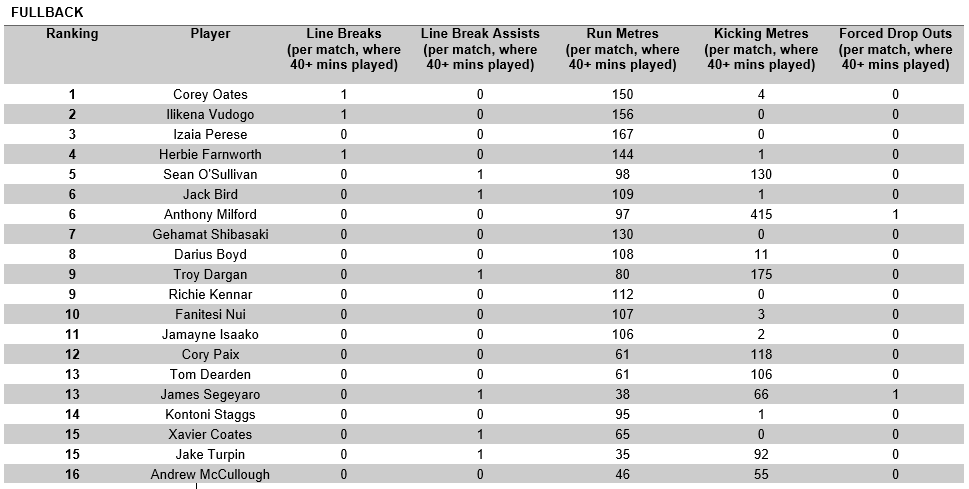
Round 19 lineup
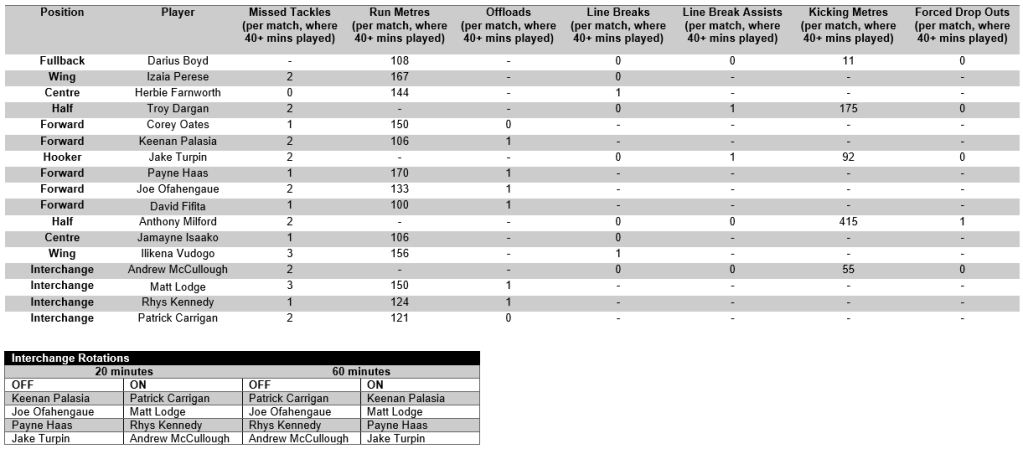
Based on the above analytical comparison, and with Kennar, Bird, O’Sullivan, Paix, Dearden, and Gillett injured, and Flegler suspended the 17 players which comprise the Broncos’ most productive team for their Round 19 clash versus the Gold Coast Titans would appear to be as follows (with the proposed interchange rotations also outlined below):
Freddie08
Broncos Analysis: Round 17 Player Analysis and Round 18 Team Selection
Following each round of the NRL Premiership and Intrust Super Cup, each contracted Broncos player’s season-to-date performance is analysed and ranked against their internal competition.
This analysis process initially categorises players into four positional categories (with some players considered in multiple positional categories due to their perceived versatility):
- forwards;
- centres and wingers;
- halves and hooker; and
- fullback.
Once categorised, each player’s output in defined key performance indicators (KPIs) for their respective positional category is then considered, using data sourced from the NRL and QRL.
Different weightings are then assigned to the KPI data considered for each positional group based on the assumption that the cornerstones of the Broncos’ tactical approach is as follows:
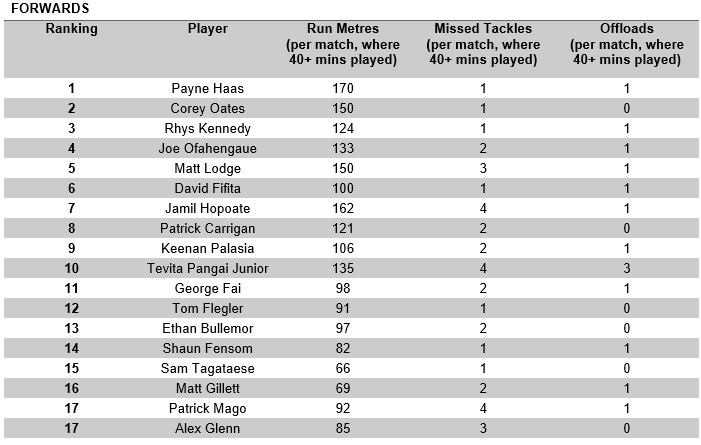
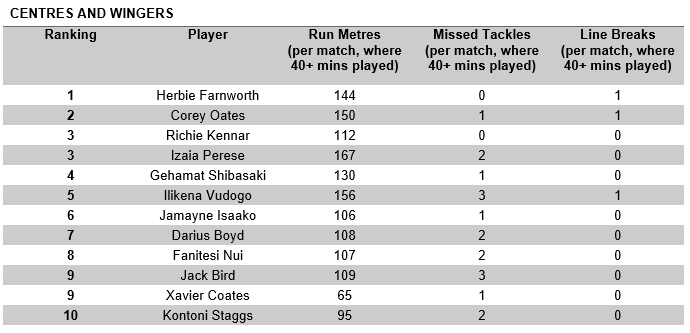
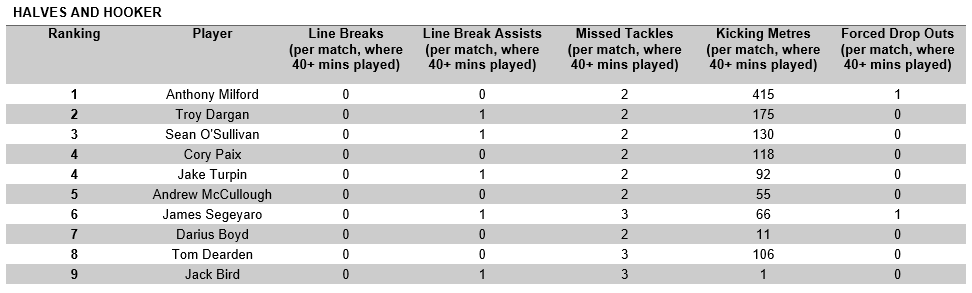
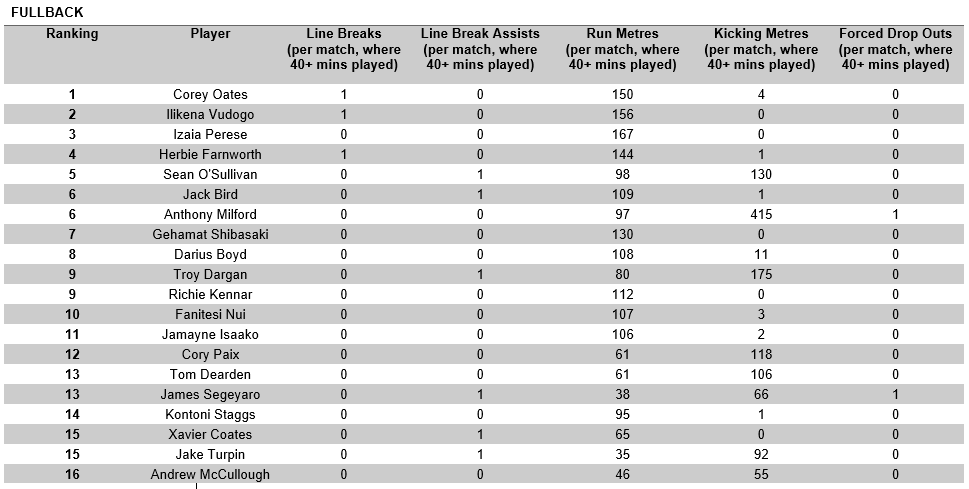
- To have minimal missed tackles (=<2 missed tackles per player per game) in all positional categories.
- To generate 100+ run metres and multiple offloads per game from each player in the forward positional group (to create second phase play for the halves, hooker and/or fullback to individually break the opposition’s defensive line or create line break opportunities for the centre and wing positional group).
- To generate 100+ run metres and multiple line breaks per game from each player within the centre and wing positional group.
- To generate 100+ kicking metres and multiple line breaks, line break assists, and forced drop outs per game from each player in the halves and hooker and fullback positional groups.
The findings provide an invaluable insight as to:
- how each player ranks against their internal competition within their positional category; and
- which 17 players make up the Broncos’ most productive team.
Internal player rankings
Following Round 17 of the NRL and Round 17 of the Intrust Super Cup, the player rankings are as follows:
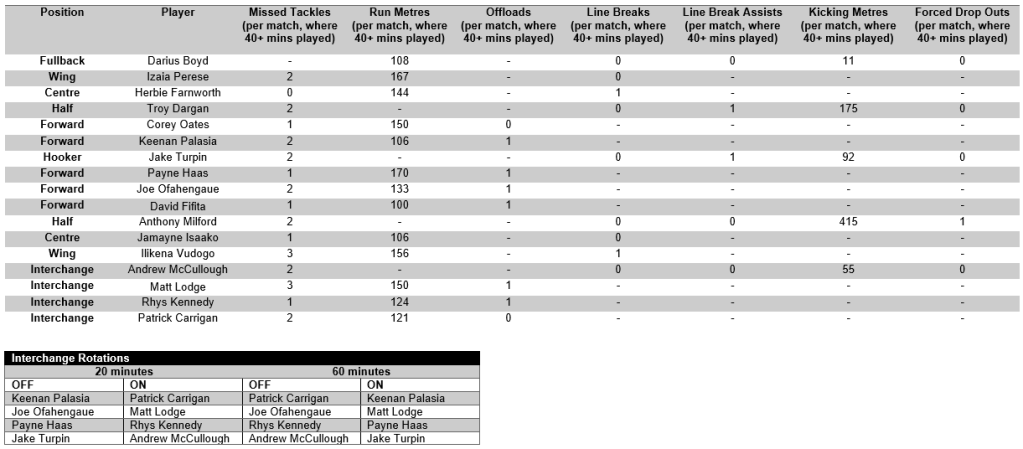
Round 18 lineup
Based on the above analytical comparison, and with Kennar, Bird, Shibasaki, O’Sullivan, Paix, Dearden, and Gillett injured, the 17 players which comprise the Broncos’ most productive team for their Round 18 clash versus the Canterbury Bulldogs would appear to be as follows (with the proposed interchange rotations also outlined below):
Freddie08
Broncos secure Paix until 2022
In a further boost to the Broncos’ future premiership prospects, the club has re-signed young Queensland born Cory Paix (19) to a deal which will expire at the end of the 2022 season.
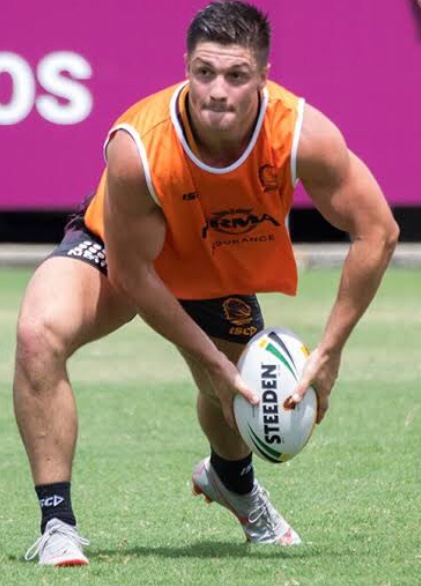
Re-signing Paix is an excellent move by the Broncos, with the youngster ranked 3rd in terms of on-field productivity amongst the club’s halves and hooking options.
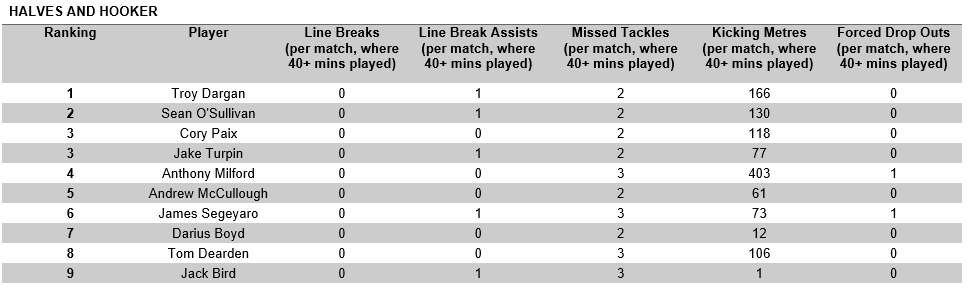
Round 16, 2019 productivity data – halves and hooker
Despite Paix, along with fellow young halves and hooking options Sullivan and Dargan, consistently out-performing their more established colleagues, Segeyaro, Bird, Boyd, McCullough and Milford, it has been somewhat surprising that only Sullivan has been given any sort of first team opportunities amongst those three promising youngsters.
If Seibold is to not fall victim to the same fate as his predecessor Bennett, then he needs to start basing his team selection decisions on on-field production, as opposed to reputation and experience. If he were to do so, Sullivan, Dargan and Paix would form his current first choice halves and hooker.
With the Broncos continuing to flounder as Seibold follows a similar path to that treaded by Bennett, it will be interesting to see if Seibold comes to that realisation himself before season 2019 is in the books.
Freddie08
Broncos re-sign Lodge, Pangai Junior and Ofahengaue on multi-year deals
In a huge boost to the Broncos’ future premiership prospects, the club re-signed forwards Tevita Pangai Junior (23), Matt Lodge (24), and Joe Ofahengaue on three year deals.
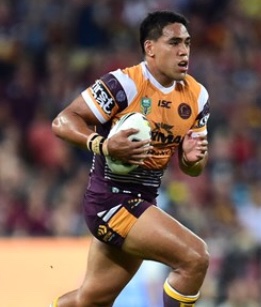
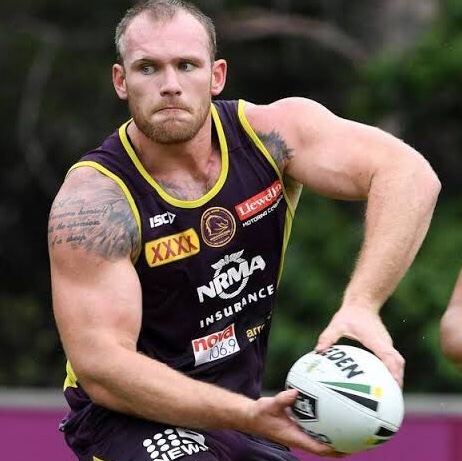
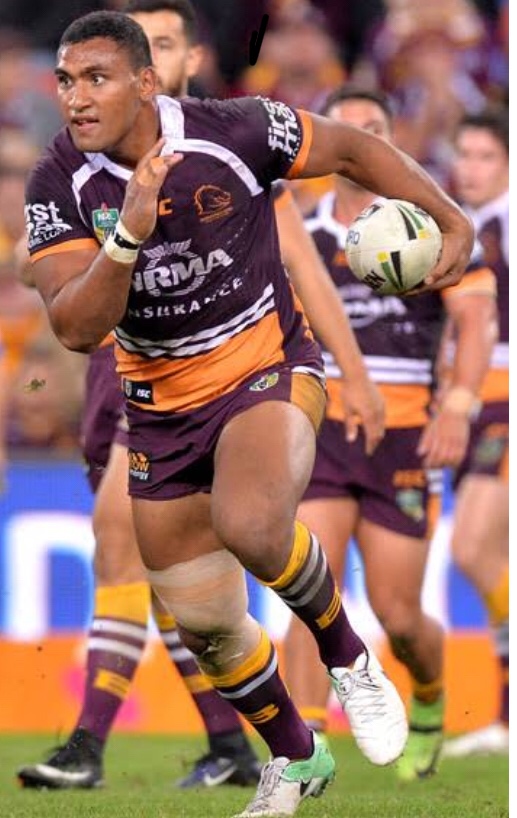
With the trio making up 3 of the Broncos’ top 8 forwards in terms of on field productivity in the 2019 season, there retention was paramount.
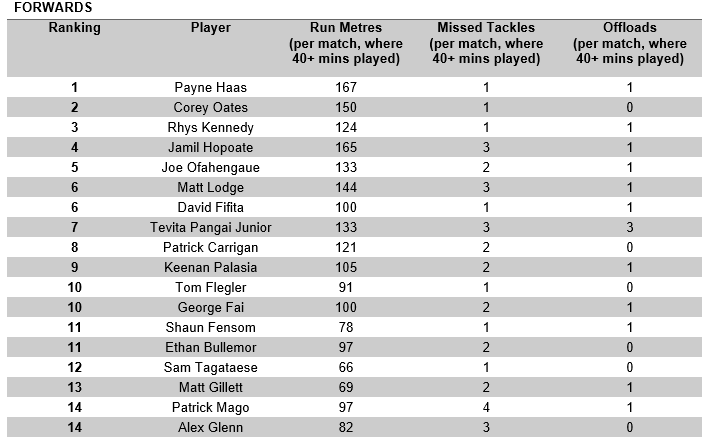
Round 16, 2019 productivity data – forwards
On the back of securing Queensland born Patrick Carrigan (22) until the end of 2022, and boom youngster Payne Haas (19) until the end of 2024, the re-signing of Lodge, Pangai Junior and Ofahengaue, means the Broncos have secured the majority of the club’s productive forwards for the short to medium term.
That said, the club are still to re-sign the hugely productive forward, centre, winger, and fullback Corey Oates for beyond this season. Securing Oates signature, along with that of centre, wing and fullback options Izaia Perese, Herbie Farnwoth, and Richie Kenner, halves, hooker and fullback options Troy Dargan, Jake Turpin, and Sean O’Sullivan, and forward George Fai will be challenging.
Particularly considering consistently unproductive players such as Staggs, Boyd, Bird, Gillett and McCullough, are utilising substantial salary cap space and tied to multi-year deals at the club,.
Nevertheless, the retention of all 3 players is great news for the Broncos’ current and medium term premiership prospects.
Freddie08
Broncos Analysis: Round 15 Player Analysis and Round 16 Team Selection
Following each round of the NRL Premiership and Intrust Super Cup, each contracted Broncos player’s season-to-date performance is analysed and ranked against their internal competition.
This analysis process initially categorises players into four positional categories (with some players considered in multiple positional categories due to their perceived versatility):
- forwards;
- centres and wingers;
- halves and hooker; and
- fullback.
Once categorised, each player’s output in defined key performance indicators (KPIs) for their respective positional category is then considered, using data sourced from the NRL and QRL.
Different weightings are then assigned to the KPI data considered for each positional group based on the assumption that the cornerstones of the Broncos’ tactical approach is as follows:
- To have minimal missed tackles (=<2 missed tackles per player per game) in all positional categories.
- To generate 100+ run metres and multiple offloads per game from each player in the forward positional group (to create second phase play for the halves, hooker and/or fullback to individually break the opposition’s defensive line or create line break opportunities for the centre and wing positional group).
- To generate 100+ run metres and multiple line breaks per game from each player within the centre and wing positional group.
- To generate 100+ kicking metres and multiple line breaks, line break assists, and forced drop outs per game from each player in the halves and hooker and fullback positional groups.
The findings provide an invaluable insight as to:
- how each player ranks against their internal competition within their positional category; and
- which 17 players make up the Broncos’ most productive team.
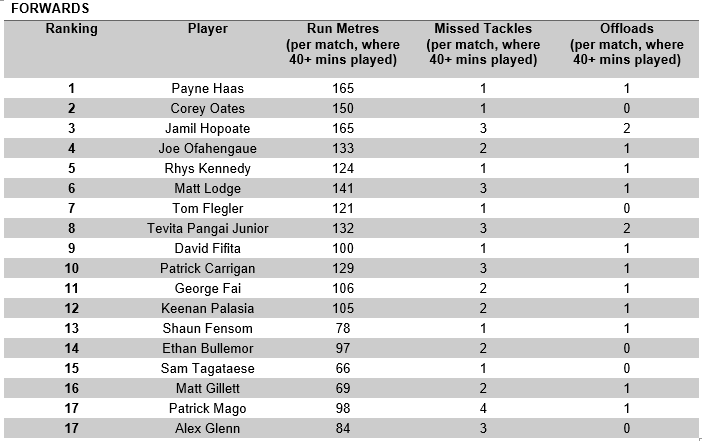
Internal player rankings
Following Round 15 of the NRL and Round 15 of the Intrust Super Cup, the player rankings are as follows:
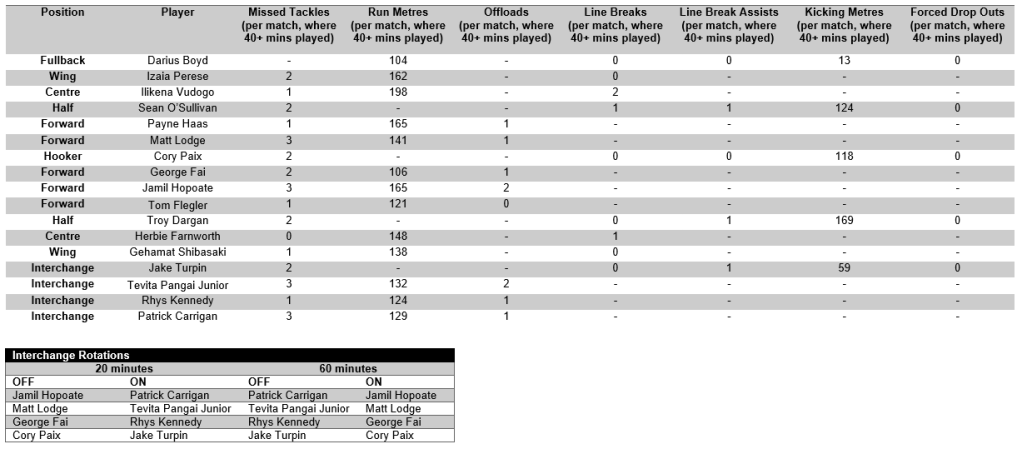
Round 16 lineup
Based on the above analytical comparison, and with Kennar, Bird, Milford and Dearden injured, and Oates, Fifita, Gillett and Ofahengaue unavailable due to Origin, the 17 players which comprise the Broncos’ most productive team for their Round 15 clash versus the Cronulla Sharks would appear to be as follows (with the proposed interchange rotations also outlined below):
Freddie08
Broncos Analysis: Round 16 Player Analysis and Round 17 Team Selection
Following each round of the NRL Premiership and Intrust Super Cup, each contracted Broncos player’s season-to-date performance is analysed and ranked against their internal competition.
This analysis process initially categorises players into four positional categories (with some players considered in multiple positional categories due to their perceived versatility):
- forwards;
- centres and wingers;
- halves and hooker; and
- fullback.
Once categorised, each player’s output in defined key performance indicators (KPIs) for their respective positional category is then considered, using data sourced from the NRL and QRL.
Different weightings are then assigned to the KPI data considered for each positional group based on the assumption that the cornerstones of the Broncos’ tactical approach is as follows:
- To have minimal missed tackles (=<2 missed tackles per player per game) in all positional categories.
- To generate 100+ run metres and multiple offloads per game from each player in the forward positional group (to create second phase play for the halves, hooker and/or fullback to individually break the opposition’s defensive line or create line break opportunities for the centre and wing positional group).
- To generate 100+ run metres and multiple line breaks per game from each player within the centre and wing positional group.
- To generate 100+ kicking metres and multiple line breaks, line break assists, and forced drop outs per game from each player in the halves and hooker and fullback positional groups.
The findings provide an invaluable insight as to:
- how each player ranks against their internal competition within their positional category; and
- which 17 players make up the Broncos’ most productive team.
Internal player rankings
Following Round 16 of the NRL and Round 16 of the Intrust Super Cup, the player rankings are as follows:
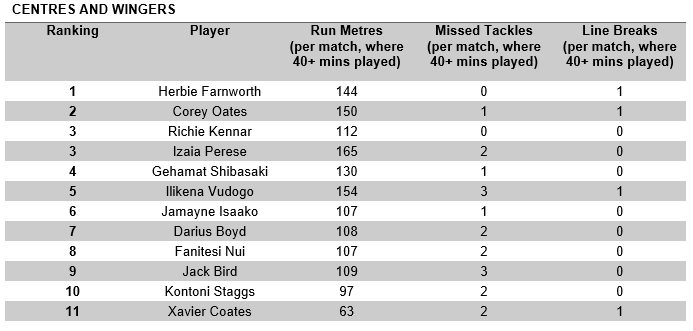
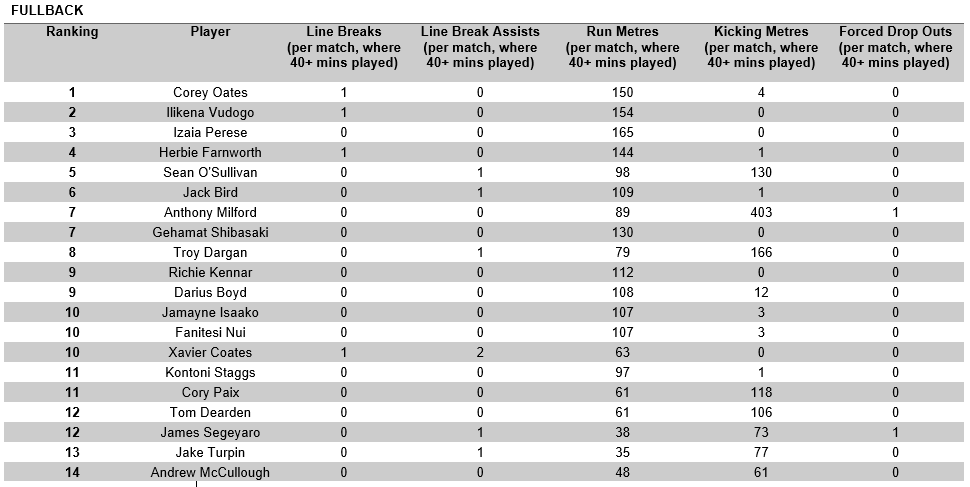
Round 17 lineup
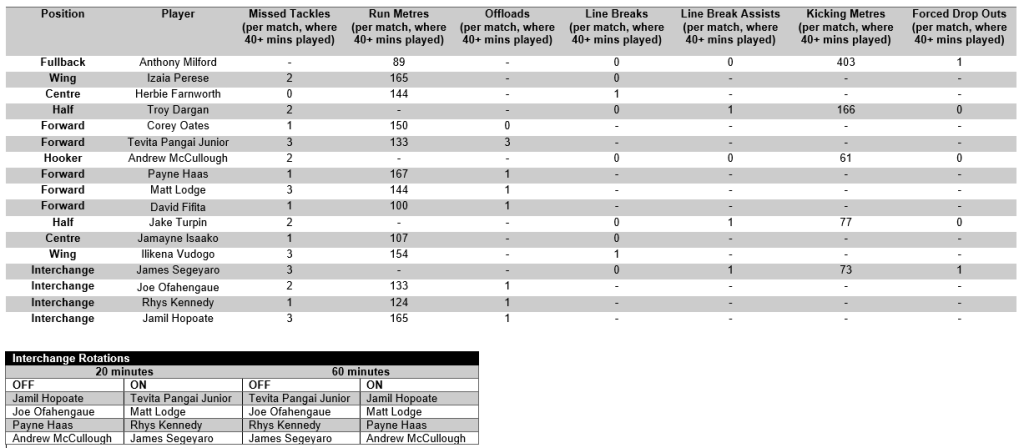
Based on the above analytical comparison, and with Kennar, Bird, Shibasaki, O’Sullivan, Paix, Dearden, and Gillett injured, the 17 players which comprise the Broncos’ most productive team for their Round 17 clash versus the New Zealand Warriors would appear to be as follows (with the proposed interchange rotations also outlined below):
Freddie08
Broncos Analysis: Round 13 Player Analysis and Round 14 Team Selection
Following each round of the NRL Premiership and Intrust Super Cup, each contracted Broncos player’s season-to-date performance is analysed and ranked against their internal competition.
This analysis process initially categorises players into four positional categories (with some players considered in multiple positional categories due to their perceived versatility):
- forwards;
- centres and wingers;
- halves and hooker; and
- fullback.
Once categorised, each player’s output in defined key performance indicators (KPIs) for their respective positional category is then considered, using data sourced from the NRL and QRL.
Different weightings are then assigned to the KPI data considered for each positional group based on the assumption that the cornerstones of the Broncos’ tactical approach is as follows:
- To have minimal missed tackles (=<2 missed tackles per player per game) in all positional categories.
- To generate 100+ run metres and multiple offloads per game from each player in the forward positional group (to create second phase play for the halves, hooker and/or fullback to individually break the opposition’s defensive line or create line break opportunities for the centre and wing positional group).
- To generate 100+ run metres and multiple line breaks per game from each player within the centre and wing positional group.
- To generate 100+ kicking metres and multiple line breaks, line break assists, and forced drop outs per game from each player in the halves and hooker and fullback positional groups.
The findings provide an invaluable insight as to:
- how each player ranks against their internal competition within their positional category; and
- which 17 players make up the Broncos’ most productive team.
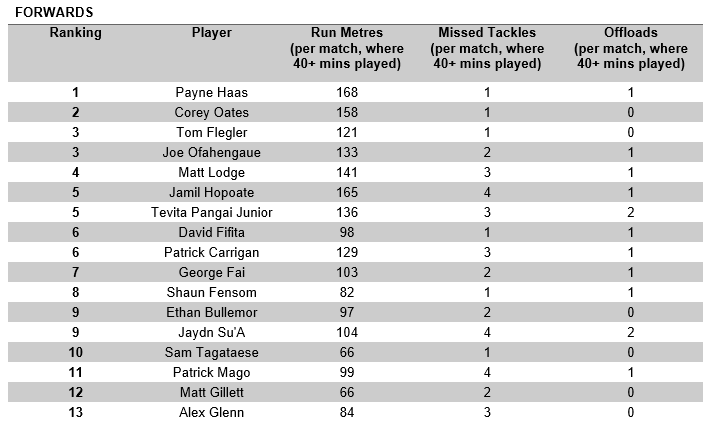
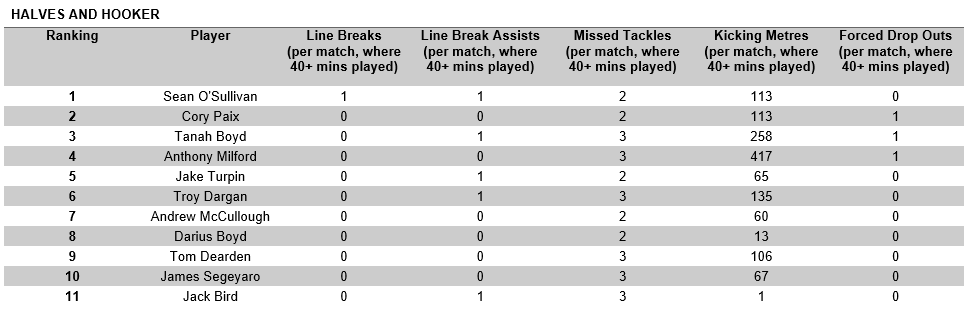
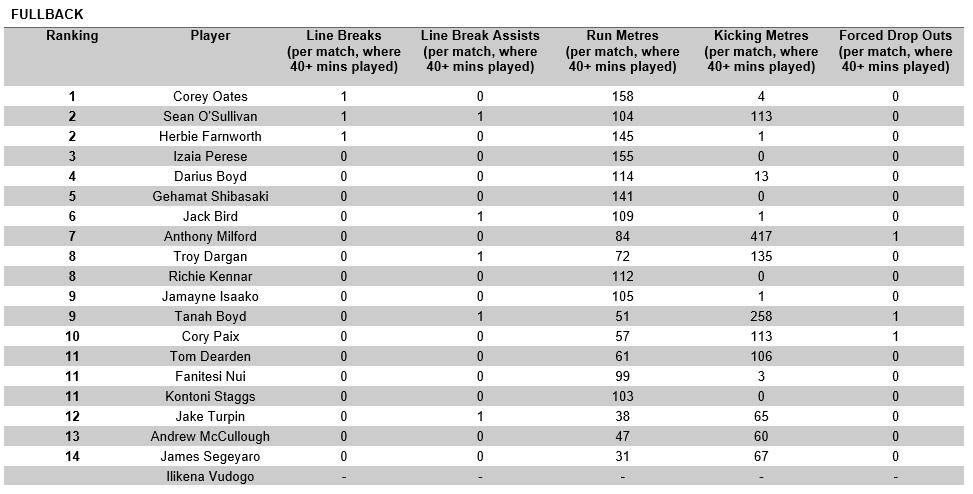
Internal player rankings
Following Round 13 of the NRL and Round 13 of the Intrust Super Cup, the player rankings are as follows:

Round 14 lineup
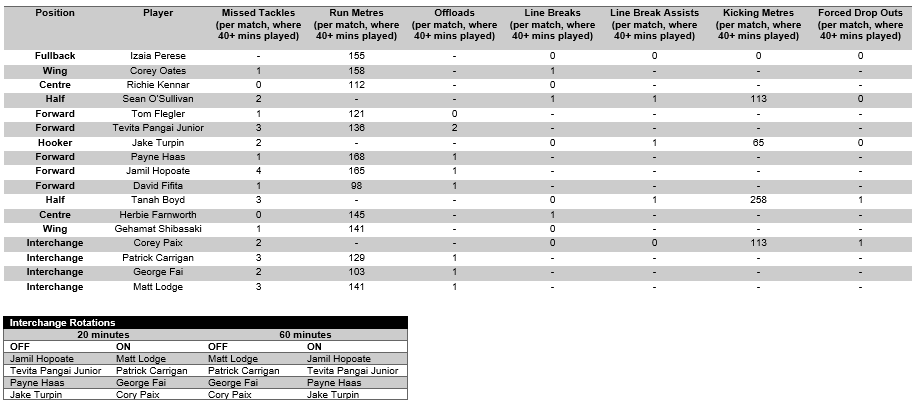
Based on the above analytical comparison, and with Ofahengaue, Glenn, Bird, and Dearden injured, the 17 players which comprise the Broncos’ most productive team for their Round 14 clash versus the Paramatta Eels would appear to be as follows (with the proposed interchange rotations also outlined below):
Freddie08
 My Brisbane Broncos